The Need for Sustainable Energy Sources
The world continues searching for cleaner and renewable alternatives to traditional fuels. Coconut shell charcoal has emerged as one of the promising options because it combines performance with environmental benefits.
From Waste to Valuable Product
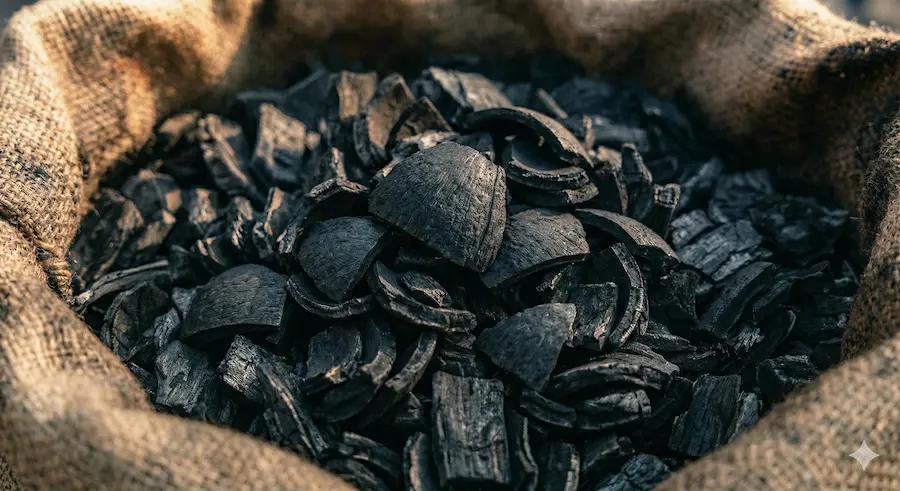
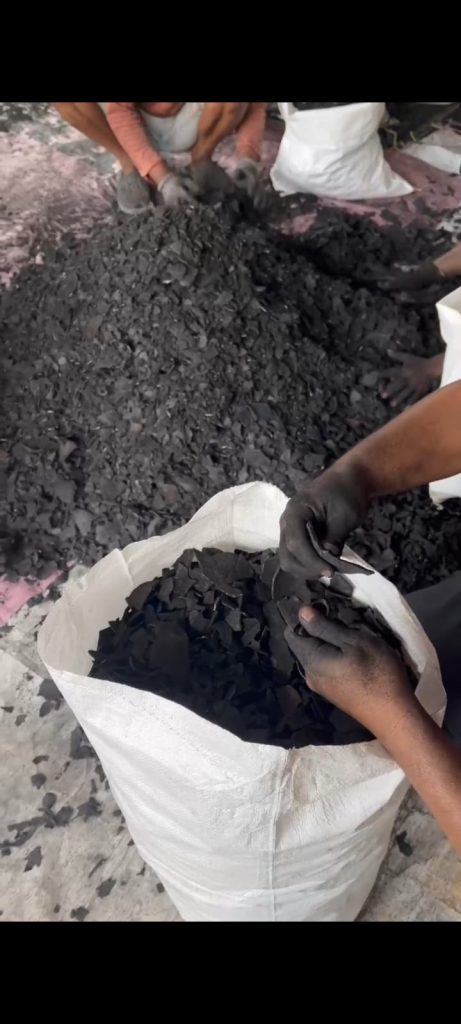
Millions of coconut shells are discarded every year. Through carbonization, these shells can be converted into charcoal with high commercial value. This process supports waste management while creating additional economic opportunities for coconut-producing regions.
Key Characteristics of Coconut Shell Charcoal
Coconut shell charcoal is recognized for:
- High fixed carbon content
- Strong heating performance
- Longer burning duration
- Minimal smoke production
- Lower ash residue
These properties make it highly competitive compared to conventional charcoal products.
Contribution to Circular Economy
Using coconut shells for charcoal production supports the circular economy concept. Agricultural by-products are reused instead of discarded, reducing waste and maximizing resource efficiency.
Increasing Export Opportunities
Countries with abundant coconut plantations have significant opportunities in exporting coconut shell charcoal products. International markets increasingly demand sustainable charcoal for barbecue, activated carbon, and shisha industries.
Final Thoughts
Coconut shell charcoal is more than just an alternative fuel. It represents an innovative way to transform agricultural waste into valuable, eco-friendly products. With growing awareness about sustainability, its importance in global industries will likely continue to expand.